Fiber-optic network simulator emulates precise physical conditions
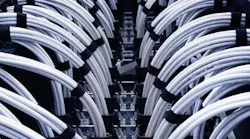
Fiber-optic network testing, monitoring and connectivity supplier M2 Optics has developed a compact fiber-optic network simulator, designed to emulate a planned physical network's conditions in the laboratory. The Fiber Lab 3200 is billed as a 19" rack-mounted optical fiber management package that can be customized with virtually any fiber type or mix, including lengths, splices, and connectors, to precisely match a physical network's specifications.
According to the company, use of the device ensures that a given network design will work as intended when actually deployed in the field. Capable of simulating an optical network up to 120 km in length, M2 says the Fiber Lab 3200 eliminates fiber and connector damage, while yielding fully repeatable results with high reliability. Applications include product development and certification, long-distance network simulation, latency testing, delay testing, and training.
M2 Optics offers a free white paper discussing the importance of simulating physical fiber-optic networks in the laboratory, and best practices for achieving maximum results. You can request a free copy of the white paper here.
See Also:
Software simulates data center fiber break, disaster recovery scenarios