Comparison: Splice-on vs. mechanical splice fiber-optic connectors
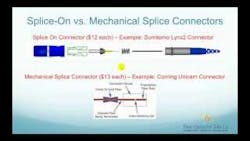
Video describes the differences between the two connector types, especially in the areas of mechanical design and labor and tools costs.

A new video from Fiber Optics For Sale Co. (FO4SALE.com) compares splice-on vs. mechanical splice fiber-optic connectors. The video thoroughly describes the differences between the two connector types, especially in the areas of mechanical design and labor and tools costs. Reliability concerns are also addressed.

Further, "the main reason that many installers still [elect to] stay with mechanical splice connectors" -- according to Colin Yao, the discussion's presenter -- is also revealed.

Watch the video here.

Related story:Bandwidth urgency drives fiber-optic connector, mechanical splice market

Sign up for our eNewsletters
Get the latest news and updates
Little Beaver Inc.
A hydraulic earth drill with a high-torque anchor handle and utility anchor adapter can significantly improve safety for anchor installation.
Enabling a one-person install, the earth drill has several advantages over manually setting drive rods or using anchor crankers.
Creative Composites Group
These Tower Tech XR cooling towers use evaporative cooling to remove heat generated within the data center by IT equipment. Composite cooling towers are more compact and significantly lighter than metal towers. They arrive at a data center site pre-built.
Data center designers shouldn’t sleep on the benefits of fiberglass construction materials.