TIA updating outside-plant, residential cabling standards
During the meeting of the Telecommunications Industry Association (TIA) TR-42 Engineering Committee on Telecommunications Cabling Systems in February, the TR-42.1 Generic Telecommunications Cabling and Premises Cabling Subcommittee approved two project requests that ultimately will result in the revision of two long-standing cabling standards.
One project request approval kicked off the revision process of the TIA-570 Residential Telecommunications Infrastructure Standard from its C version to its D version. According to the official report from February’s TR-42 meeting, a first industry ballot for TIA-570-D is planned for the next meeting cycle. TR-42 and TR-42.1 next meet the week of June 12.
The C revision of the TIA-570 standard was published in August 2012.
Another project request approval initiated the revision process of the TIA-758 Customer-Owned Outside Plant Telecommunications Infrastructure Standard from its B version to its C version. The timeframe for a first industry ballot for this standard had not been established as of February 22.
The TIA-758-B standard was published in March 2012. In keeping with American National Standards Institute (ANSI) standard-development procedures, a standard must be affirmed, revised, or rescinded on a five-year schedule.
The TIA-758 standard series and TIA-570 standard series both are due for five-year revisions.
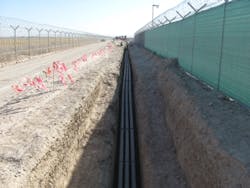
The image on this page is from the article Cabling the way forward in areas of conflict (published February 2013), a firsthand account of outside-plant cabling design and installation in forward areas.