NVIDIA, T-Mobile Demonstrate AI-RAN Architecture for Distributed Edge Computing
NVIDIA and T-Mobile, in collaboration with Nokia and a group of developers, are piloting an AI-RAN architecture designed to support distributed edge computing across 5G networks. This initiative integrates NVIDIA’s AI infrastructure into T-Mobile’s network, enabling cell sites and mobile switching offices in supporting AI workloads while delivering 5G connectivity. This approach reflects a shift toward using telecom infrastructure as a platform for low-latency, edge-based processing.
Moving compute closer to the network edge
The AI-RAN architecture has been made to address latency and scalability issues that come with using the cloud. Operators can offload processing from endpoint devices by placing compute resources at the network edge while also being able to continue responding to situations in real-time.
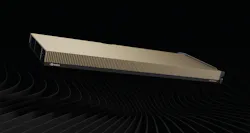
The deployment uses NVIDIA’s RTX PRO Blackwell server platforms made for “power-constrained cell sites” and “higher-capacity mobile switching offices”. T-Mobile has piloted NVIDIA’s infrastructure on its 5G network using Nokia’s anyRANsoftware.
Pilot use cases
Initial pilots look into various applications, including traffic light timing, auto-inspecting transmission lines over 5G, facility management, and industrial safety. These different use cases require continuous video analysis and real-time decision making, which makes low-latency edge processing beneficial.
Developers are using NVIDIA’s Metropolis VSS 3 Blueprint “to optimize operations and enhance safety across industries” through video analysis.