Telecom networks batten down for Hurricane Sandy
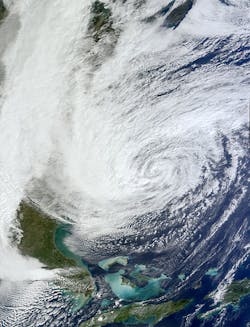
As reported from Dow Jones Newswires via NASDAQ, as Hurricane Sandy bears down on the East Coast, U.S. telecom companies put in place strategic plans to meet the threat to their networks by positioning professional resources and technical personnel to react to any problems.
As reported on October 26 by Dow Jones' Thomas Gryta:
"Expected winds and rain threaten to impact both wireline and wireless networks in the region, prompting companies to place flood prevention measures at network sites and retail stores, according to spokespeople, and making numerous preparations for the storm. These measures include fueling and preparing generators, having extra fuel for vehicles, as well as preparing and testing emergency equipment at facilities that manage network traffic."
As reported by the UK's The Telegraph, Jeff Masters, a hurricane specialist with Weather Underground, said: “The size of this alone, affecting a heavily-populated area, is going to be history-making.” Masters said the storm could be bigger than the worst East Coast storm on record, the 1938 New England hurricane known as the Long Island Express, which killed nearly 800 people. Other experts predicted that the "superstorm" Sandy would be more disastrous than last year’s Hurricane Irene, which caused an estimated $15 billion in monetary damage.
Related story:Business continuance/disaster recovery, 40/100-GbE implementation top IT execs' wish list for next gen data center design