Robert Metcalfe: Inventor of Ethernet
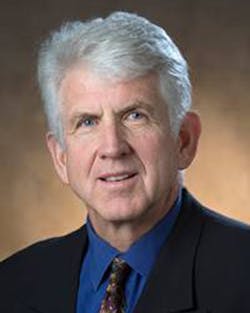
In what might have been the most succinct nomination for this collection of industry contributors, one individual submitted the following: "Robert Metcalfe – The Father of Ethernet. Nuff said." In many ways, that is enough said. But rather than risk slighting Metcalfe by giving him far less ink than others, what follows is some summary biographical information about Robert Metcalfe.
Already an Internet pioneer as of 1970, Metcalfe invented Ethernet in 1973 while working at Xerox's Palo Alto Research Center. He most often is recognized as the inventor of Ethernet, but also sometimes is described as its co-inventor; he shares four patents on Ethernet. He left Xerox to start 3Com in 1979 and held numerous executive titles within that organization including. After leaving 3Com in 1990, Metcalfe became an instant icon in the world of media, as publisher, chief executive officer and columnist for InfoWorld in addition to serving as vice president of technology for InfoWorld's parent company International Data Group.
Metcalfe became a venture capitalist in 2001, joining Polaris Partners as general partner; he is now a venture partner with the firm. In November 2010 he was selected to lead innovation initiatives at The University of Texas at Austin School of Engineering and began that appointment in January 2011. At UT Austin he currently serves as professor of innovation and Murchison fellow of free enterprise.